
Product Overview
Vishay Sprague 293D Solid Tantalum Chip Capacitor 22µF 16VDC Case C 6032
Condition
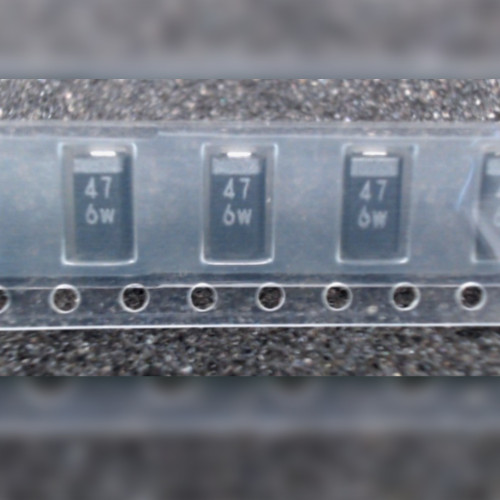
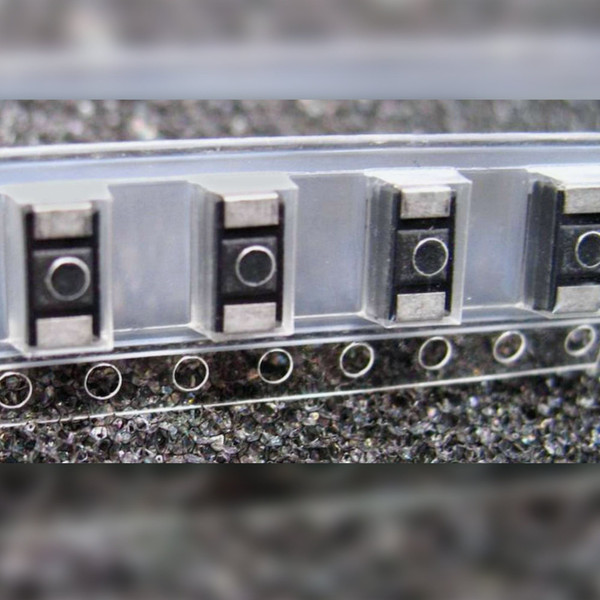
Unused new old stock (NOS). Sourced from electronics distributor inventory consolidation. Components are stored on embossed cut carrier tape. Solder terminations are clean and unmounted.
Same or next business day shipping from our Idaho warehouse. Reliable parts since 1999. Honest pricing, no nonsense.
We are here for our customers, with a no-hassle satisfaction guarantee.
Product Overview
The Vishay Sprague 293D226X9016C2T is an industrial-grade solid tantalum surface-mount chip capacitor rated at 22µF and 16 VDC. Built in a molded Case C package (EIA 2312 / Metric 6032-28), this component features a solid manganese dioxide electrolyte and 100% matte tin terminations for standard reflow and rework soldering profiles. It delivers stable capacitance and low impedance for DC-to-DC conversion, power rail filtering, and decoupling in compact electronics.
Key Features
- 22µF capacitance rating at 16 VDC
- Case C molded package (EIA 2312 footprint, 6032 metric)
- ±10% capacitance tolerance (X9 code)
- 1.4 Ohm equivalent series resistance (ESR)
- Matte tin terminations for standard reflow and hand soldering
- Solid tantalum construction with manganese dioxide electrolyte
- Supplied on cut carrier tape
Applications
- Replacing failed decoupling capacitors on legacy industrial control boards and power supplies
- Filtering output ripple on switch-mode DC-to-DC converter rails
- Repairing audio gear, automotive modules, and test equipment requiring stable low-ESR capacitance
- Prototyping microcontroller and embedded sensor boards on standard SMD footprints
Frequently Asked Questions
What are the physical dimensions of this Case C package?
Case C corresponds to EIA 2312 (Metric 6032-28), measuring 6.0 mm in length by 3.2 mm in width, with a nominal height of 2.8 mm.
How is polarity identified on these capacitors?
Standard molded tantalum capacitors use a beveled edge and an end marking bar to indicate the positive terminal. Solder pads are polarized and must be oriented correctly on the PCB.
Can I buy just a few capacitors instead of a full production reel?
Yes. Components are sold individually from cut tape, so you can purchase the exact count needed for repairs or prototypes without ordering full factory packaging. More pieces cost less each, and the price-break table on this page shows what each quantity costs. Orders ship for an $8 flat rate, qualify for free shipping at $28 or more, and leave our Idaho warehouse the same or next business day.
A shorted tantalum will drop a whole power rail and send you hunting with freeze spray. Having the exact Case C replacement ready turns an all-day bench mystery into a clean five-minute solder job.