

Product Overview
TI 75LVDS391 630 Mbps 3.3V Differential Line Transmitter
Condition
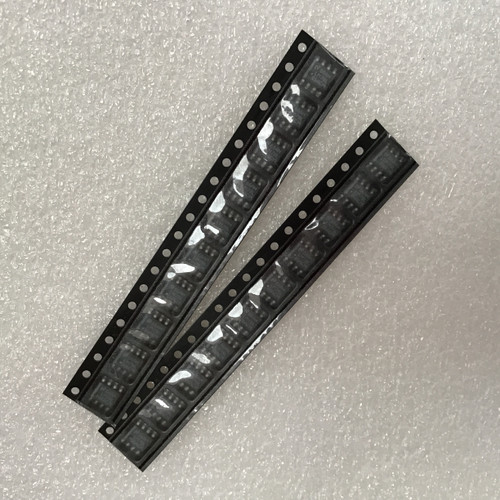
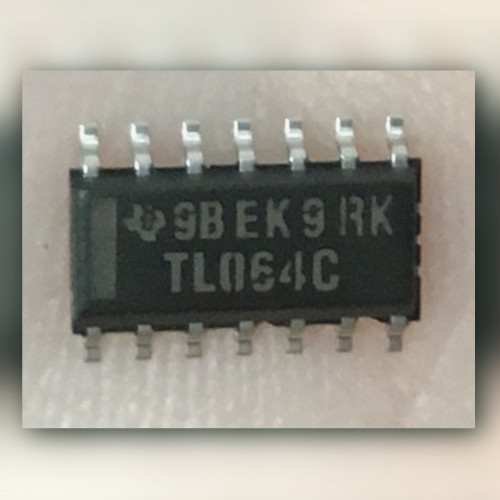
New old stock (NOS) surplus in unused condition. Sold each. Markings legible: Texas Instruments logo, 75LVDS391.
Same or next business day shipping from our Idaho warehouse. Reliable parts since 1999. Honest pricing, no nonsense.
We are here for our customers, with a no-hassle satisfaction guarantee.
Product Overview
Designed for high-speed digital interconnects, the Texas Instruments SN75LVDS391D integrates four differential line drivers capable of signaling rates up to 630 Mbps. The device accepts 5V-tolerant LVTTL logic inputs and translates them to low-voltage differential signaling across balanced 100-ohm transmission lines, operating from a 3.3V rail with minimal propagation delay and output skew.
Key Features
- Quad differential line drivers compliant with ANSI TIA/EIA-644 LVDS standards
- Signaling rates up to 630 Mbps across balanced lines
- Single 3.3V nominal power supply operation (3.0V to 3.6V range)
- 5V-tolerant LVTTL input logic compatibility
- Typical 350 mV differential output swing into 100-ohm load
- Low propagation delay under 2.9 ns with output skew below 150 ps
- 16-pin SOIC surface-mount package
Applications
- High-speed backplane and inter-board data communications
- Clock and digital data distribution in telecom and networking hardware
- Flat-panel display data transmission and interface bridging
- High-speed microcontroller and FPGA differential interface projects for electronics makers
Frequently Asked Questions
Can the inputs accept standard 5V TTL or CMOS signals?
Yes. The LVTTL inputs are 5V tolerant even when the driver operates from a 3.3V supply rail.
What load resistance is required on the differential outputs?
The differential outputs are specified to drive a nominal 100-ohm balanced transmission line termination.
How many differential channels does each chip drive?
Each chip integrates four independent LVDS drivers, providing four transmit channels in a single 16-pin package.
When high-speed logic has to cross a board edge without turning into noise, differential signaling does the quiet heavy lifting. Drop this quad driver in, terminate your lines, and let clean data run.